Visuals
Get a finished design just by asking.
No design skills? No problem. Ask for a post, carousel, story, cover or ad, and get a finished design with your words in it, ready for Instagram.
- From ₹2,500 a month + GST$49 a month
- Cancel any time

Layers
- Background photo
- Title
- Badge
- Logo

Three jars changed my kitchen
You asked
a carousel cover about my three jars
Versions
Three jars changed my kitchen
Three jars changed my kitchen
Your first redo is free.
Sample design for a sample account.
On the iPhone app, the web and WhatsApp
How designing a visual works on Synclify.
Pick a format, pick a look, say what it is for, then talk it into shape. The same design is in Artifacts whether you made it on a laptop or in a chat.
 SynclifyAssistantDashboardContentAutomationsAnalyticsCompetitorsCalendarMoreArtifactsSettings
 Maya Kapoor@maya.everyday
 SynclifyBusiness accountSynclifyAssistantDashboardContentAutomationsAnalyticsCompetitorsCalendarMoreArtifactsSettingsMaya Kapoor@maya.everyday
Pick the format
Artifacts, Design something. A feed post, carousel, reel cover, story, highlight or ad.
Your look
Design posts in your own style.
Templates make you look like everyone else. Synclify learns your style from your best posts, like your fonts, colours and layout. New designs match it. If you have no clear style yet, it tells you.
Your best posts
 Slow mornings
 One shelf
 Repeat outfits
Your style, learned
Aa
Bold sans, tight lines
Title bottom left, photo full bleed, small badge top left
Three jars changed my kitchen
New design, same look
No clear style yet? It tells you, and you can start from a kit instead.
Edits
Change any design by asking.
Say 'make the title gold' and the design updates. Every version is saved, and your first redo is free.
“make the title gold”
Drag across the design to compare v1 and v2.
Three jars changed my kitchen
Three jars changed my kitchen
Set once
Save your brand kit once.
Save your colours, fonts and logo, and every design uses them. Or copy a look from a screenshot, a website or one of your posts.
Slow, warm, made by hand
Shop the edit
Brand kit
Colours
Fonts
Heading
Body text
Logo
MAYA · EVERYDAY
Copied from the website. Every new design uses it.
Choices
Pick from styles and templates.
Choose from ten styles and sixteen kinds of design, from quotes and sales to festival posts.
Three jars changed my kitchen
Editorial · one of ten styles, across sixteen kinds of design
Motion
Turn designs into short videos.
Make short Reel, Story and ad videos in the same look. Or turn any finished design into a moving clip.
See VideoThree jars changed my kitchen
The design
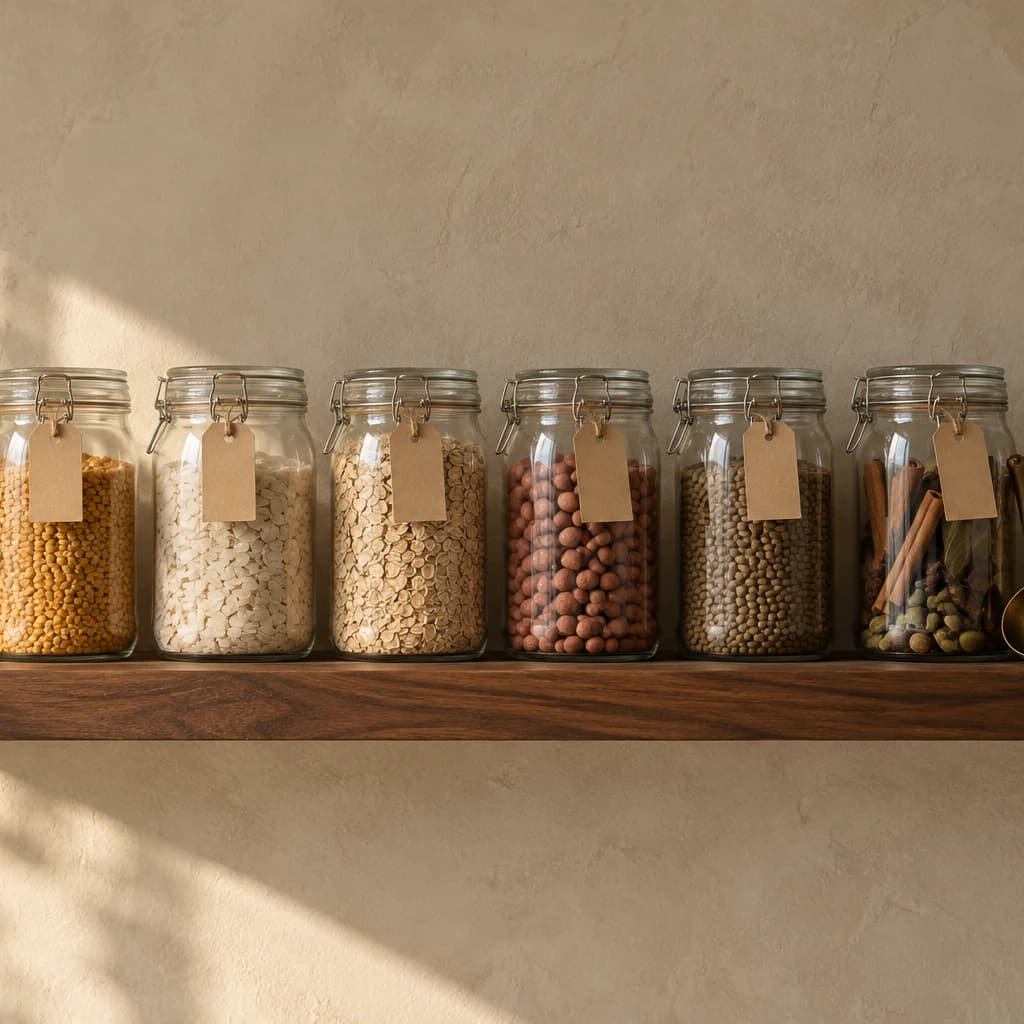
Three jars changed my kitchen
ReelA moving clip
Sample design and clip.
Instead of another app
Design without another subscription.
Carousels, covers and posts made from your brand kit, just by asking, next to the calendar they go on.
- Design posts and carouselsCanva₹1,150$12a month, Canva Pro, yearly
- On every plan
- Unlimited keyword DM automation
- Every dashboard, chart, export and report, unmetered
- A sentiment guard you can switch on, always on for catch-all rules
- Posting, scheduling and the calendar
- Calls: booking pages with Google Calendar and Meet
The seven apps a creator usually pays for
₹11,420$119 a month
Synclify Starter does all of it
₹2,500$49a month + GSTa month
- Ideas, scripts and captions
- Auto-reply to comments and DMs
- Plan and schedule posts
- Instagram analytics
- and three more
Cancel any time. 20% off yearly.
Lowest paid plan of each tool that does the job, where prices differ by source the lower one is used, list price in US dollars, billed yearly, checked on 9 and 10 October 2026, and Calendly on 20 October 2026. Where two tools do the same job, only one is counted. Compare these Instagram jobs, not every feature of the tools shown: they cover more networks and features. What's included in Synclify depends on your plan. The Video editor is paid with credits, sold separately, so editing apps like CapCut or Descript are not counted. Rupee amounts are the dollar prices converted at ₹96 to $1, before GST.
Can it make videos?
Yes. Short Reel, Story and ad videos with sound, up to 40 seconds. They're made on the web or the iPhone app with credits, sold separately.
What does Synclify do?
It's an AI assistant that runs your Instagram with you. It reads your numbers, plans and writes posts, publishes them, answers comments and DMs, and keeps track of brand deals and invoices.
Connect your account and ask your first question.
It takes two minutes. Your first answer comes from your own posts.
Cancel any time. Every dashboard and report is free to open.